Waste FIBC Bale Press: An Efficient Solution for Industrial Packaging Waste Management
Industrial facilities generate large volumes of used FIBC (Flexible Intermediate Bulk Container) bags, woven sacks, and bulk packaging materials every day. If this waste is not managed efficiently, it occupies valuable warehouse space, increases handling costs, and complicates recycling efforts. A Waste FIBC Bale Press provides an effective solution by compressing bulky packaging waste into compact, easy-to-handle bales.
As industries across India continue to focus on sustainability and operational efficiency, investing in a Waste FIBC Bale Press helps businesses streamline waste management, optimize storage, and reduce transportation expenses. Built for demanding industrial environments, these machines offer reliable performance, high compression force, and long-term durability.
What Is a Waste FIBC Bale Press?
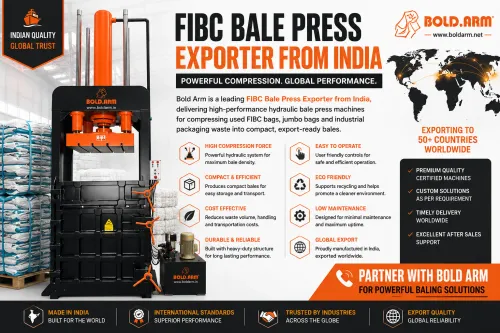
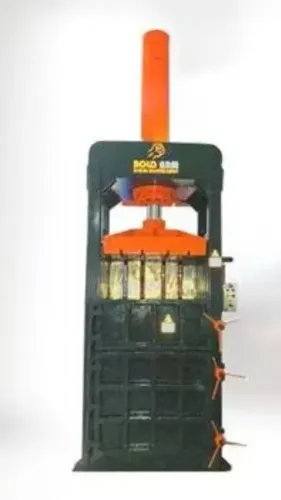
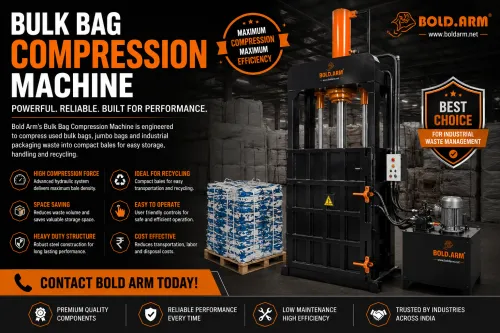
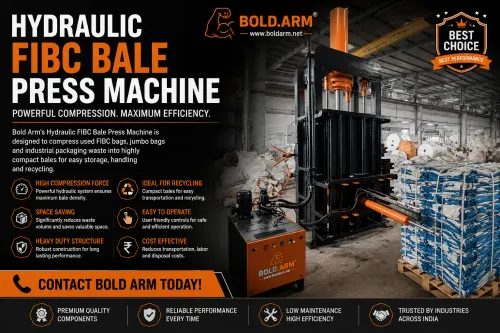
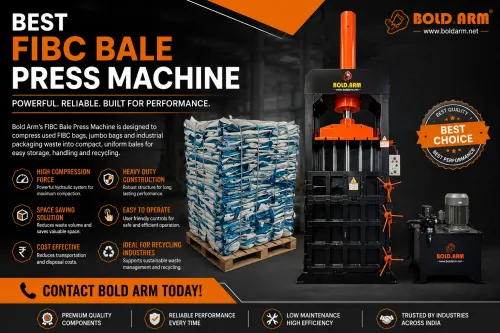
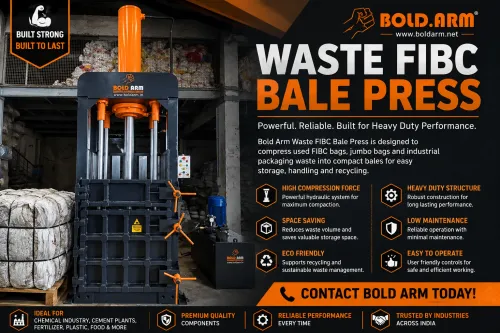
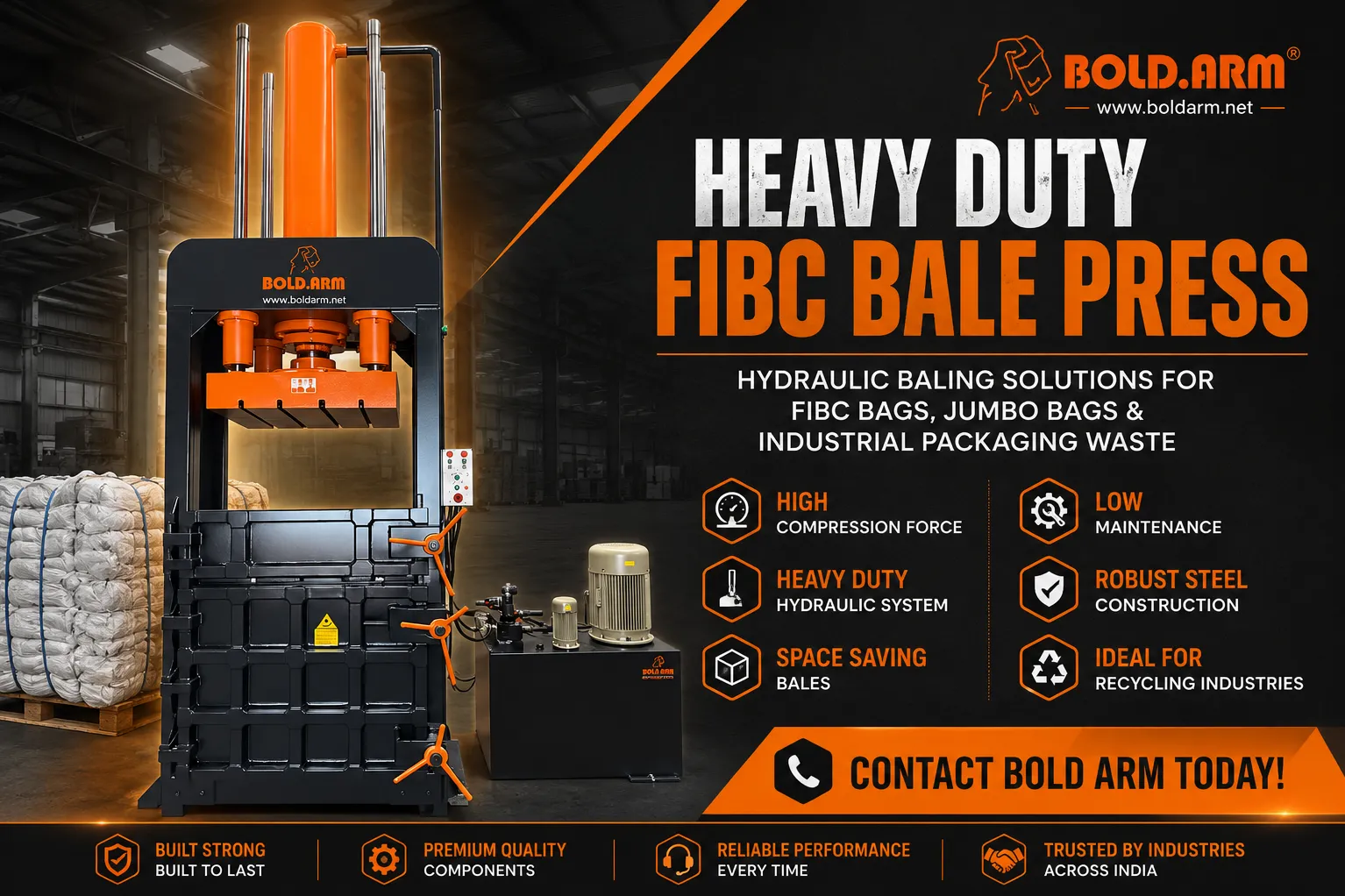
A Waste FIBC Bale Press is a hydraulic baling machine designed to compress used FIBC bags, jumbo bags, PP woven sacks, HDPE bags, and other industrial packaging waste into dense, compact bales.
Rather than allowing used bags to accumulate in warehouses or production areas, the machine significantly reduces their volume, making storage, transportation, and recycling much more efficient.
The compact bales can then be stacked neatly or transported to recycling facilities, improving overall waste management operations.
How Does a Waste FIBC Bale Press Work?
The operation of a Waste FIBC Bale Press is simple and highly efficient.
During the baling process:
- Used FIBC bags and packaging waste are loaded into the compression chamber.
- The hydraulic ram applies high pressure to compress the material.
- Once the required bale density is achieved, the bale is secured using straps or wires.
- The compressed bale is ejected for storage or transportation.
This process enables industries to process large volumes of waste quickly while reducing manual handling.
Where Is a Waste FIBC Bale Press Commonly Used?
A Waste FIBC Bale Press is widely used across industries that generate significant quantities of packaging waste.
Common applications include:
- Chemical manufacturing plants
- Fertilizer industries
- Cement manufacturing units
- Food processing companies
- Plastic processing industries
- Pharmaceutical manufacturing facilities
- Textile industries
- Warehouses and distribution centers
- Recycling plants
- Agricultural processing units
As industrial production continues to grow, efficient packaging waste management has become an essential part of maintaining organized and productive operations.
Key Benefits of Installing a Waste FIBC Bale Press
Reduces Waste Volume
The machine compresses bulky FIBC bags into dense bales, significantly reducing the amount of space required for storage.
Optimizes Warehouse Space
Compact bales free up valuable warehouse space that can be used for production or inventory.
Lowers Transportation Costs
Compressed bales allow businesses to transport more recyclable material in fewer trips, reducing logistics expenses.
Improves Workplace Safety
Removing loose packaging waste creates a cleaner, safer, and more organized work environment.
Supports Sustainable Recycling
Well-compressed bales are easier to handle and process at recycling facilities, supporting environmentally responsible waste management.
Heavy-Duty Industrial Performance
Designed with robust hydraulic systems and durable construction, the machine delivers reliable performance even under continuous industrial use.
Why Choosing the Right Waste FIBC Bale Press Matters
Every industry has different waste handling requirements. Selecting the appropriate machine ensures higher productivity and long-term operational efficiency.
Important factors to consider include:
- Daily waste generation
- Hydraulic compression capacity
- Bale size requirements
- Chamber dimensions
- Available installation space
- Power consumption
- Ease of operation
- Maintenance requirements
Choosing the right machine helps businesses maximize efficiency while reducing operating costs.
Routine Maintenance Ensures Reliable Operation
Regular maintenance helps maintain the performance and lifespan of a Waste FIBC Bale Press.
Routine inspections should include checking:
- Hydraulic oil level
- Hydraulic cylinders and seals
- Hoses and pipe connections
- Electrical control panel
- Safety mechanisms
- Compression chamber cleanliness
- Lubrication of moving components
- Overall machine condition
Preventive maintenance minimizes downtime and ensures consistent bale quality.
Waste FIBC Bale Press as Part of an Integrated Waste Management System
A Waste FIBC Bale Press delivers maximum value when incorporated into a comprehensive industrial waste management strategy. Along with waste segregation, recycling programs, and efficient material handling practices, the machine helps businesses improve operational efficiency while supporting environmental sustainability.
By reducing waste volume and simplifying storage and transportation, organizations can lower costs and maintain cleaner, more organized facilities.
Building Smarter Waste Management Solutions with Bold Arm
As industries continue to adopt sustainable manufacturing practices, dependable waste handling equipment has become increasingly important. Bold Arm manufactures high-performance Waste FIBC Bale Press machines engineered for demanding industrial applications.
Built with advanced hydraulic technology, robust construction, and user-friendly operation, Bold Arm's machines help businesses optimize waste management, improve workplace organization, and enhance recycling efficiency. With a strong commitment to quality, innovation, and dependable after-sales support, Bold Arm continues to deliver reliable baling solutions that meet the evolving needs of industries across India.
Keywords